

Michelle Lunt is an organization that goal is to share learning articles related to Lifestyle Improvement Tips.



Living Light: What Flexible Systems Like Retractable Banners Teach Us About a Less Cluttered Life
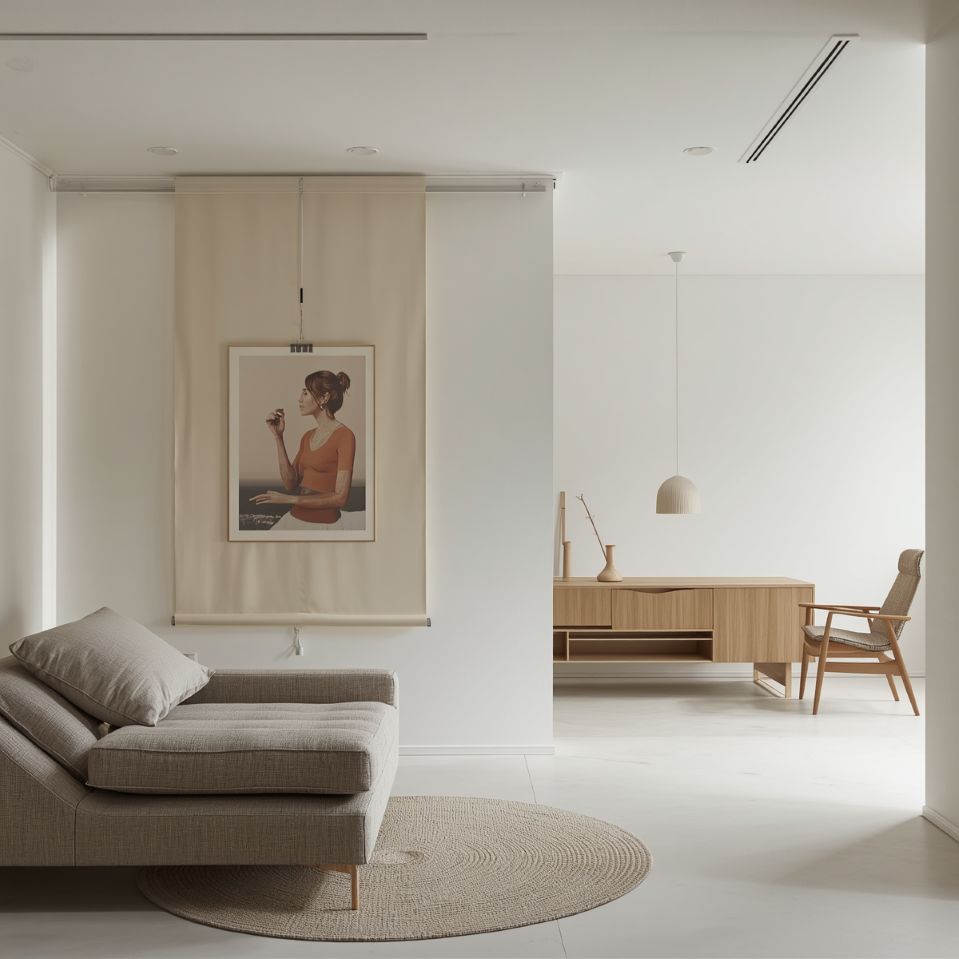
Studies from the American Psychological Association show that visual and environmental clutter can increase stress levels and reduce focus, especially when people feel surrounded by objects or systems they cannot easily change. In modern living, this overload is not limited to homes. It extends to schedules, routines, and even mental space, where too many permanent decisions slowly build a sense of fatigue and pressure.
One simple example of flexible, low-clutter thinking can be seen in how adaptable tools are designed for changing environments. A useful reference point is retractable banner stands NYC, often used in event and display settings where space must remain clean and adjustable. While originally designed for visual presentation, the idea behind these systems offers a broader lesson: not everything needs to be permanent to be useful. Some structures are most valuable when they appear only when needed and disappear when they are not.
This idea becomes more relevant when applied to everyday life. Many people unknowingly build “permanent layers” into their homes, routines, and responsibilities, even when their lives require flexibility. Learning to design more adaptable systems can make daily living feel lighter and more manageable.
The Weight of Permanent Living
Modern life often encourages permanence. Furniture stays in one place for years. Routines are built to last indefinitely. Even habits are treated as fixed commitments rather than adjustable patterns. Over time, this creates what behavioral experts describe as “accumulated rigidity,” where too many fixed elements limit a person’s ability to adapt.
Mayo Clinic research on stress management notes that environments with fewer unnecessary stimuli tend to support better emotional regulation. When spaces feel crowded or unchangeable, the mind often mirrors that feeling, leading to mental fatigue and reduced clarity in decision-making.
This is not about removing structure. It is about recognizing when structure becomes too heavy to adjust. Life naturally changes, and systems that cannot shift with it often become sources of pressure rather than support.
The Idea of Temporary Structure
Temporary structure is a simple but powerful concept. It means creating setups that serve a purpose without demanding permanence. In physical environments, this can be seen in modular furniture, foldable storage, or adaptable room layouts. The principle is the same: usefulness without long-term visual or physical weight.
Flexible display systems such as retractable banners illustrate this clearly. They are designed to appear when needed and be stored when not in use, without leaving a permanent footprint in the space. This type of design thinking translates well into life management, where not every solution needs to be fixed or long-lasting to be effective.
When applied more broadly, temporary structure becomes a mindset. It encourages people to build systems that support change instead of resisting it.
Clutter Is Often a Result of “Permanent Thinking”
Clutter is not always about excess objects. Often, it comes from decisions that were made once and never revisited. A room that no longer serves its original purpose, a schedule that no longer matches current responsibilities, or habits that no longer reflect present needs all contribute to invisible overload.
Design thinkers often describe this as “decision residue,” where past choices remain active in daily life even when they no longer make sense. The more permanent those choices feel, the harder it becomes to adjust them.
By shifting toward flexible systems, people can reduce this kind of accumulation. Instead of locking every decision into place, they create room for revision and adaptation.
Flexible Spaces, Flexible Mindsets
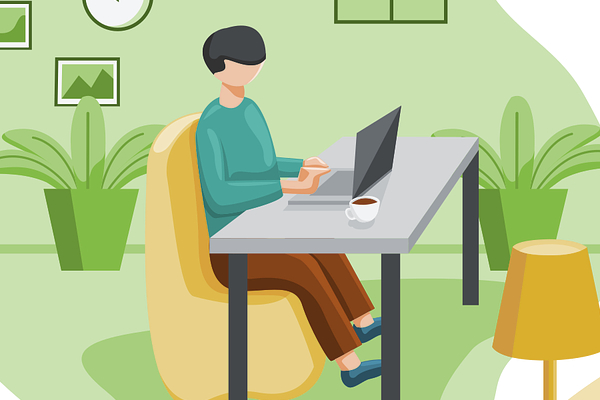
Homes and personal spaces can benefit greatly from adaptability. A single room can serve multiple purposes when it is not rigidly defined. A workspace can become a relaxation area. A dining space can temporarily function as a creative zone. The key is not maximizing use, but allowing change without effort.
This idea also extends beyond furniture and layout into how we care for our living environments. When spaces feel visually refreshed and well maintained, it becomes easier to think clearly and feel at ease in them. As explored in refresh your home refresh your life exterior cleaning, even simple upkeep of surroundings can influence emotional well-being and create a stronger sense of renewal in daily life.
This approach is especially relevant in households where life stages change quickly, such as families with young children or individuals working from home. A flexible environment reduces friction between different daily roles, making transitions smoother and less stressful.
Behavioral researchers at Harvard’s Center on the Developing Child emphasize that predictable yet adaptable environments support emotional stability, especially in dynamic households. Stability does not require permanence. It requires systems that can adjust without disruption.
Reducing Emotional Weight Through Adaptability
There is also an emotional side to flexibility. Permanent setups often carry silent pressure. Once something is fixed, it feels like it must be maintained indefinitely, even when it no longer fits. This can create guilt, resistance to change, or avoidance of necessary updates.
Flexible systems remove some of that emotional burden. When structures are designed to be temporary or adjustable, change becomes easier to accept. Instead of feeling like a failure for changing direction, it feels natural and expected.
This mindset can apply to routines, personal goals, and even relationships with space and time. Life becomes less about holding everything in place and more about adjusting when needed.
Learning From Simple Design Thinking
Design principles often offer practical lessons for life improvement. Simplicity, modularity, and portability are not just technical ideas. They reflect a way of thinking that prioritizes adaptability over permanence.
Systems inspired by tools like retractable banners demonstrate this well. They provide structure when required but do not dominate the environment when they are not in use. This balance between presence and absence is what makes them efficient in both physical and conceptual spaces.
When translated into daily living, this approach encourages people to build environments and routines that can shift without resistance. It is not about living with less structure, but about choosing structure that can move with life instead of against it.
Conclusion: Living with Less Permanence, More Freedom
A lighter life is not necessarily a simpler one, but a more adaptable one. When systems are designed to change, people are not forced to carry outdated structures forward. Instead, they can adjust their environments, routines, and decisions as life evolves.
Flexible tools like retractable display systems offer a useful reminder of this principle. Their value lies not only in function, but in their ability to appear, serve a purpose, and then step out of the way without leaving clutter behind.
In the same way, life becomes easier when fewer things demand permanence. Space opens up. Decisions feel less heavy. And change becomes less of a disruption and more of a natural rhythm.
Refresh Your Home, Refresh Your Life: The Hidden Benefits of Exterior Cleaning

Homes with a clean, inviting exterior aren’t just pleasant to look at; they can actually influence your mood and wellbeing. According to the American Cleaning Institute, a tidy living environment reduces stress and encourages healthier habits. It’s fascinating how something as simple as washing the walls or scrubbing the driveway can ripple through your daily life.
Take Sarah, a busy graphic designer in Sydney, for example. She had ignored her home’s exterior for years. The siding was streaked, gutters clogged, and the front path was muddy after every rain. One weekend, she decided to hire cleaning professionals to handle the exterior. The change was almost magical. Beyond looking crisp and welcoming, she noticed she was more inclined to step outside with her morning coffee and even started small gardening projects she’d been putting off. Professionals not only saved her hours of work but gave her a home that felt cared for in a way she hadn’t realized she needed.
A Boost for Mental Clarity and Pride
There’s something inherently satisfying about seeing a house shine. A clean exterior signals order, which our brains love. A tidy environment can help reduce mental clutter, making it easier to focus on work or leisure without that nagging feeling of disorder lingering in the background. This isn’t just anecdotal; research from the University of California shows that environments perceived as clean and organized improve cognitive function and mood. For more on how small environmental changes can strengthen focus and resilience, check out this discussion on mental resilience.
Even small gestures, like washing windows or power-cleaning a patio, can make a noticeable difference. You don’t need a perfect mansion; even modest homes benefit. That fresh, cared-for feeling brings pride, encouraging you to maintain other areas of your life with the same diligence.
Time Saved, Life Gained
Hiring experts for exterior cleaning might feel indulgent, but it’s a strategic investment. Instead of spending an entire weekend with a pressure washer, ladders, and buckets, you gain free time to actually enjoy your home. Family dinners, reading on the porch, or weekend hobbies suddenly feel more doable when the maintenance is handled efficiently. And there’s less risk of injury, damage, or frustration—win-win.
Cleaning professionals have the know-how to tackle stubborn grime and hard-to-reach spots safely. They can work with environmentally friendly detergents that protect landscaping and reduce chemical runoff. Your home gets the deep refresh it deserves while remaining eco-conscious.
Practical and Emotional Value
A well-maintained exterior communicates something subtle but powerful: this home is loved. Neighbors notice it, guests comment on it, and you can sense it every time you return after a long day. That emotional comfort is more than vanity; it shapes your interactions and routines. People are more likely to host friends, step out to enjoy the yard, and maintain a healthy rhythm when their environment feels cared for.
Practical advantages follow too. Regular cleaning prevents mold, rot, and long-term damage to siding, roofs, and gutters. It extends the life of your materials and can even increase property value. Investing in a routine, whether done seasonally or annually, is not just about appearance. It’s about safeguarding your home and your peace of mind.
Small Steps, Big Impact
You don’t need to overhaul everything at once. Start with high-traffic areas like driveways, porches, and entryways. Schedule exterior cleaning periodically and treat it like a self-care ritual for your home. Each wash refreshes more than the walls; it refreshes the way you live. With professional help, it becomes effortless, leaving you more energy to focus on family, hobbies, and personal growth.
Ultimately, a home that shines on the outside often shines on the inside too. By embracing regular maintenance, you create a sanctuary that inspires pride, mental clarity, and healthier habits. A simple act of caring for your exterior translates into a deeper sense of wellbeing, proving that sometimes, refreshment starts at the front door.
Next time you think about improving your lifestyle, consider starting outside. Investing in exterior cleaning isn’t just about curb appeal; it’s about elevating the way you experience life every day. Whether it’s a weekend project or a professional service, giving your home a proper refresh can be transformative. Your house deserves it, and so do you.
Live a Better Life by Applying the First Responder Discounts
The work on lifestyle modification is based on small and regular decisions. Most of the options depend on financial flexibility. To the emergency service, access to the best first responder discounts helps to maintain healthier habits. Aside from that, smarter spending, long-term well-being, and acknowledgement of the service demands are also being maintained.
Service and Personal Growth
First responders are usually concerned about others rather than themselves. Savings that are lifestyle-oriented promote self-care. Increasing access to wellness goods, educational aids, and services are ways to achieve enhanced personal care. These advantages enable the responders to invest in self-development without the stress of financial burden.
The option of the best first responder discounts is a plus to the notion that taking care of oneself is a necessity and not a choice.
Wellness Tool for Financial Stability
Stress due to finances has an impact on the clarity of mind, physical state, and decision-making. The discounts will decrease the day-to-day costs, and the responders will concentrate on the goals like fitness, improvement of learning, and even home remodelling. Positive lifestyle change is pegged on financial stability.
Online Minimalism and Smart Decisions
There is no guesswork involved in centralized discount platforms. They verify the eligibility and arrange the offers effectively. Responders can save time and find the opportunities they can pursue based on their values and objectives.
Saving Regularly: The Long-Term Advantages
Discounts accumulate over time. These savings have momentum, whether it is about necessities or personal growth to healthier habits and a higher quality of life.

Some articles are lifestyle-oriented and tend to focus on the mind, balance, and living consciously. Exploring these kinds of resources about productivity, wellness, and self-development can be discussed as a complement to the practical advantage of discount programs.
Conclusion
The finest first responder discounts are not only money-saving, but they are life-enhancing. These programs protect the financial wellness and personal development of responders in and out of duty.
Lifestyle Improvement Tips You Can Start Today
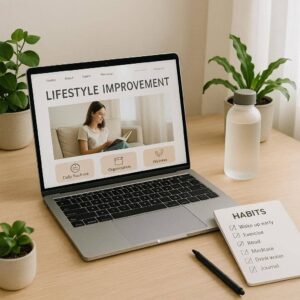 Improving your lifestyle does not have to feel overwhelming. Small changes can make a big difference when done with purpose and consistency. Most people want better health, more energy, and less stress, yet they often struggle with where to begin. A good place to start is by focusing on simple habits that fit into your daily routine. Along with these habits, using a reliable website portal can help you stay organized and track your progress.
A lifestyle improvement plan works best when you have access to tools that support your goals. This is where a website like Dr Horrible portal becomes useful. It gives you one place to manage updates, record habits, and find helpful resources. When you combine good habits with an organized system, it becomes easier to stay focused and motivated.
Build Healthier Daily Habits
Healthier habits set the foundation for a better lifestyle. You do not need to change everything at once. Small steps lead to long-term progress.
Start with your sleep. Many people feel tired because they do not have a regular sleep schedule. Try to sleep and wake up at the same time every day, even on weekends. This helps your body adjust and rest better.
Move your body each day. You do not need a gym membership or heavy workouts. A simple walk, stretching, or light exercise can already boost your energy. Regular movement helps with stress, weight control, and mood.
Drink more water. Many people do not notice how little water they drink until they try to track it. Proper hydration can improve skin, digestion, and focus. It is one of the easiest habits to fix.
Eat balanced meals. You do not need strict diets. Focus on adding more whole foods like vegetables, fruits, whole grains, and lean proteins. When you build meals around these foods, you feel full longer and support better health.
A website portal can help by reminding you of these habits and recording your progress each day. You can log your meals, track your steps, and store simple routines that work for you.
Simplify Your Environment
Your environment influences your mindset more than you realize. A cluttered space can make you feel tired or distracted. A clean and simple space helps you think more clearly.
Start with small areas. Pick one corner or drawer and organize it. Remove things you no longer need. Organize the items you use often. This small win gives you momentum to continue with other areas in your home.
Improve your digital environment too. Many people have messy files, full inboxes, and scattered notes. A website portal can help you organize digital tasks, store important files, and keep reminders in one place. This reduces the stress of searching for information when you need it.
When your environment feels lighter, your mind feels lighter as well. This makes it easier to stay productive and follow your daily routine.
Use a Website Portal to Stay Organized
A website portal is a useful tool for anyone trying to improve their lifestyle. It keeps everything in one system. It saves you time and helps you stay consistent.
You can use a portal to manage your goals. List your short-term and long-term plans. Update them as you progress. Seeing your goals in a clear layout helps you stay accountable.
You can build habit trackers. These trackers show how often you complete key actions like drinking water, exercising, or reading. Checking off boxes each day brings a sense of achievement.
You can store learning materials. Whether you want to improve your health, finances, or personal skills, a portal is a great place to save articles, videos, and tools. You can return to them anytime.
You can schedule reminders. Life gets busy, and it is easy to forget your plans. The portal can help by sending simple alerts so you stay on track without feeling pressured.
You can track your mood. Many website portals include a journal or mood tracker. Recording how you feel helps you understand patterns in your day and adjust your routine when needed.
When you place all these elements in one portal, you reduce stress and support positive habits more easily.
Build Better Mindset and Relationships
Improving your lifestyle is more than physical habits. Your mindset and relationships influence your emotional well-being too.
Practice mindfulness. This does not require long sessions. You can try deep breathing for a few minutes each morning. This helps calm your mind before the day becomes busy.
Set healthy boundaries. Many people feel stressed because they take on too many tasks or try to please everyone. It is okay to say no and create space for yourself. This protects your time and energy.
Stay connected with people who support you. Good relationships help you handle challenges better. Make time for simple conversations, even if they are short. A quick message or call can make a big difference.
Use your website portal for journaling. Write down moments that made you happy, things you learned, or challenges you faced. This helps you stay aware of your progress and feelings. It also encourages you to stay consistent with your goals.
How to Build Work Life Balance
Balance looks different for everyone (depends on career, family, lifestyle, values), you must understand how to manage your priorities to build a balance life. The ability to manage professional responsibilities and personal life.
Strategies to Build Work-Life Balance
Set Clear Boundaries
Prioritize Tasks
Learn to say no to unnecessary commitments.
Use Time Management Wisely
Schedule breaks, avoid multitasking, use productivity methods.
Take Care of Your Health
A strong body supports a balanced mind.
Unplug from Technology
Practice digital detox to reconnect with real life.
Spend quality time with family and friends.
Nurture personal connections for emotional support.
Pursue Hobbies and Personal Growth
Engage in activities outside of work to recharge.
Reading, travel, music, or creative projects provide balance.
Meditation, journaling, or breathing exercises help maintain calm.
Time Management How You Spend Your Time
Time management is the skill of organizing and planning how you spend your time so you can use it effectively and productively. It’s about making conscious choices on what tasks to prioritize, when to do them, and how to avoid wasting time.
How Acts of Kindness Improve Your Lifestyle
Kindness is maybe a moral choice, but a lifestyle choice that improves physical, emotional, and social well-being. The idea that kindness is not only good for others, but also for you
https://www.michellelunt.com
Daily Habits That Create a Healthier Lifestyle
Lifestyle change is about daily choices, habits shape routines, and routines shape health.
Some Helpful Daily Habits
Start Your Morning with Water
Move Your Body Every Day
Practice Mindful Eating
Take Breaks from Screens
Get Enough Sleep
Practice Gratitude
Spend Time Outdoors
Connect with People You Value
https://www.michellelunt.com
How to Build a Growth Mindset and Unlock Your Potential
What a growth mindset is the belief that skills and intelligence can be developed with effort, learning, and persistence.
Contrast with a fixed mindset: believing abilities are set in stone.
Highlight why it matters: people with growth mindsets embrace challenges, learn from setbacks, and ultimately achieve more.
Discussion To Mental Resilience
Mental resilience: the ability to adapt, recover, and stay strong during challenges.
A Beginners Guide to Mindful Eating
Mindful Eating Tips
Mindful eating is (eating with awareness, presence, and intention).
Benefits: improved health, weight balance, stress reduction, and food enjoyment.
Daily Practices to Build Resilience
Start the Day with Gratitude
Practice Mindfulness or Meditation
Move Your Body
Set Small, Achievable Goals
Journal Your Thoughts
Nourish Your Body
Practice Positive Self-Talk
Connect with Others
Limit Negativity Intake
End the Day with Reflection